

Views: 0 Author: Site Editor Publish Time: 2026-08-21 Origin: Site


Independent pet boutiques operate under strict spatial limitations. Every square foot of floor space acts as a critical revenue driver. Maximizing this limited space remains non-negotiable for boutique survival. Traditional pet furniture creates a distinct challenge for independent operators. Big-box retailers commoditize these bulky, visually unappealing items quickly. This market dynamic leaves boutique operators facing poor profit margins and severe aesthetic mismatches for premium retail stores.
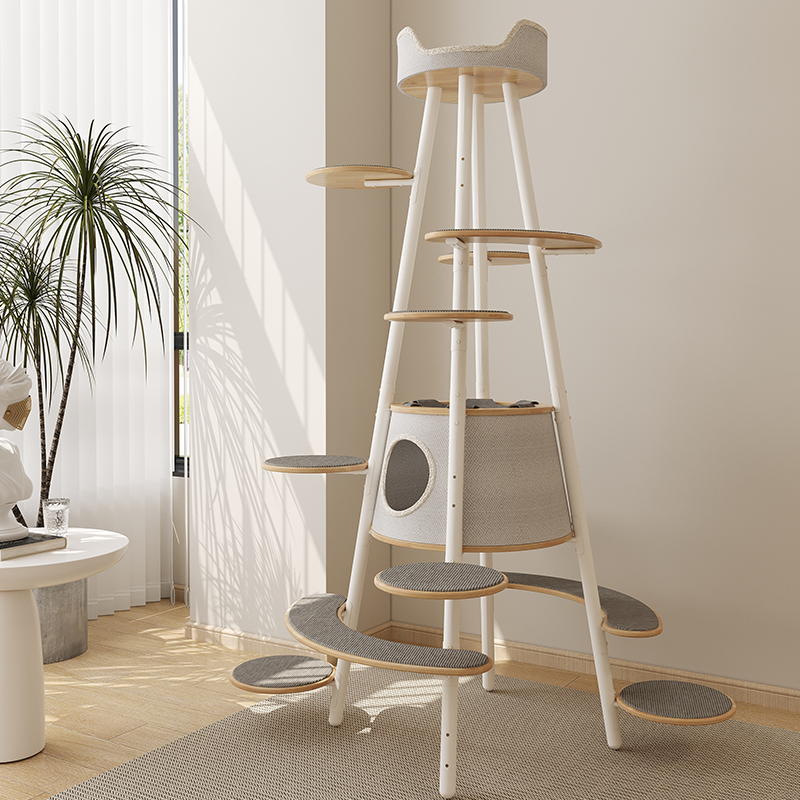
Stocking a compact Designer Cat Tree bridges the gap between high-end aesthetic demand and strict retail space constraints. It offers a distinct competitive advantage for physical pet stores. Professional procurement frameworks help pet retail businesses evaluate space-efficient inventory with premium market potential. Strategic merchandising of high-end compact furniture elevates overall retail environments and captures high-value consumer spending in the premium pet goods sector.
Compact designer cat trees optimize retail "revenue per square foot" by delivering higher profit margins in a smaller display footprint.
Premium aesthetics and durable materials appeal directly to urban, design-conscious consumers who avoid traditional big-box pet supplies.
Evaluating wholesale vendors requires strict attention to Minimum Order Quantities (MOQs), drop-shipping capabilities, and material safety compliance.
Strategic merchandising of compact pet furniture drives cross-selling opportunities with high-end home decor and premium cat accessories.
Independent retail relies heavily on curation rather than pure volume. Small boutique stores cannot compete with large-scale discount strategies adopted by big-box chains. Boutique brands thrive by offering unique, carefully curated product lines. Customers expect an elevated shopping experience and exclusive products unavailable from mainstream mass retailers. This market expectation requires rational and efficient floor space allocation for pet boutique operations.
Big-box retailers dominate the market for traditional, carpeted cat towers. Large-scale bulk procurement drastically suppresses industry retail prices and overall profit margins. Generic oversized pet furniture products become uncompetitive for small boutique retailers. Additionally, these bulky, visually outdated products disrupt refined store aesthetics and occupy valuable pedestrian and display space within premium retail environments.
Swapping a bulky traditional tree for a premium alternative solves this problem. A compact Designer Cat Tree radically improves financial returns on limited retail display space. With a minimized floor footprint and optimized product premium positioning, this product category effectively improves retail space utilization and enriches store high-end product matrices. The upgrade converts low-efficiency traditional pet furniture displays into high-performance, profit-driven retail anchor categories for boutique stores.
Metric | Traditional Carpeted Tower | Compact Designer Cat Tree |
|---|---|---|
Average Floor Footprint | 9 - 12 Square Feet | 3 - 5 Square Feet |
Store Aesthetic Impact | Cluttered, Generic | Elevated, Modern |
Estimated Gross Margin | 25% - 30% | 45% - 50% |
Cross-Selling Potential | Low | High (Matches premium decor) |
Branding labeling alone cannot define product quality. Retail-grade premium pet furniture must integrate superior form, practical function and long-term durability. Strict pre-wholesale evaluation is essential for stable boutique operation and brand reputation. Qualified retail-ready products justify premium pricing through standardized craftsmanship, scientific structural engineering and reliable factory production standards.
Strict construction standard inspection is mandatory for bulk procurement. High-quality solid wood outperforms low-cost particleboard and MDF materials in structural stability and service life. All surface finishes and paints must adopt non-toxic, eco-friendly formulas to meet premium pet product safety standards. Premium upholstery fabrics feature washable, durable and replaceable attributes to support long-term retail sales and after-sales maintenance. Terminal consumers prioritize these material indicators during high-end purchasing decisions, making transparent material parameters a core competitive advantage for retailers.
Compact-sized pet furniture faces inherent structural stability challenges due to reduced floor contact area. Professional manufacturers compensate for spatial limitations through optimized structural design and weighted base configuration. Our factory adopts reinforced solid wood and glass composite structures with weighted base processing technology, effectively preventing structural shaking and tipping risks during daily use. Scientific engineering design helps reduce stability-related complaints and after-sales risks for retail partners. Stable product performance avoids terminal return losses and protects boutique brand credibility in the premium market.
Best practices for evaluating material integrity:
Request physical material swatches from vendors before ordering.
Check for recognized safety certifications regarding non-toxic varnishes.
Verify the ease of removing and washing fabric cushions.
Test the base weight ratio physically on a floor model.
Premium boutique inventory requires strict style matching logic. All stocked products must adapt to modern, minimalist and mid-century home decor trends, presenting high-end home furniture attributes rather than ordinary pet supplies. Exquisite solid wood polishing and streamlined structural design enable seamless integration into high-grade residential spaces. This high aesthetic compatibility precisely caters to core consumer demands in the premium market.
The product solves core pain points for urban residential consumers. Modern urban dwellers pursue unified home interior aesthetics and reject bulky, inconsistent pet product visual clutter. Sleek, compact designer cat trees balance pet daily usage needs and home decoration aesthetics, forming unique selling points for boutique retail and greatly improving terminal conversion rates.
Core consumer groups of premium pet boutiques are completely different from budget big-box shoppers. Main customers include urban professionals and apartment dwellers, dominated by millennial and Gen Z consumer groups. These groups show high acceptance of premium pet products, regard pets as family members, and pursue personalized, high-grade matching solutions for pet supplies.
Consumers expect higher price points for dual-purpose decor items. They view a Designer Cat Tree as legitimate home furniture. It enhances their living room rather than detracting from it. They already spend hundreds of dollars on human furniture. Spending a proportional amount on premium pet furniture feels completely logical to them. High recognition of product value avoids vicious price competition and grants premium retailers stable pricing power and profit space.
Premium designer cat trees serve as core display anchor products for boutique stores, effectively driving surrounding accessory cross-sales. Stores can build systematic high-end display scenes centered on designer cat trees to comprehensively increase average order value and overall retail profitability.
Top items to cross-merchandise around a designer cat tree:
Hand-crafted ceramic food and water bowls.
Artisan organic catnip blends in glass jars.
Wall-mounted premium sisal scratching posts.
High-end, visually appealing interactive cat toys.
Physical furniture inventory brings inevitable operational risks for small and medium-sized boutiques, including capital occupation and storage space pressure. Scientific merchandising strategies and flexible inventory models are required to avoid operational pressure caused by blind bulk procurement.
Integrate a compact tree into lifestyle vignettes immediately. Avoid stacking brown cardboard boxes in an aisle. Place the fully assembled tree near a front window display. This positioning draws foot traffic from the street. Surround it with a cozy rug and matching accessories. Create a scene customers want to replicate in their own homes.
Encourage tactile engagement from every shopper. Let customers touch the premium materials directly. Feeling the solid wood and plush fabric justifies the premium price tag instantly. Humans buy tactile items based on physical sensation. Do not place the tree out of reach. Keep it accessible and invite customers to interact with it.
Boutique operators need to rationally evaluate in-stock sales and drop-shipping models based on store scale and storage capacity. The drop-shipping mode effectively solves the storage pressure and capital occupation problems of physical inventory. Stores only need to place display samples, with bulk orders delivered directly from the factory warehouse to terminal consumers, optimizing boutique cash flow and back-end operational efficiency.
Proactive management of shipping costs and delivery cycles is essential for stable customer experience. Even compact pet furniture may generate oversize logistics fees. Clear delivery cycle rules help stabilize terminal consumer expectations. Stable factory supply chains and standardized packaging and logistics systems ensure efficient and lossless product delivery, supporting long-term drop-shipping cooperative operations.
Professional and reliable B2B wholesale partners are the core guarantee of boutique long-term profitability. Priority should be given to manufacturers focused on wholesale and boutique brand cooperation, avoiding brands with intense direct-to-consumer discount sales behaviors. Qualified cooperative suppliers fully protect wholesale channel profit space and attach importance to long-term B2B cooperative relationships.
MOQ flexibility is a core evaluation indicator for initial cooperation. Supportive manufacturers provide low MOQ trial order policies for new boutique partners, allowing retailers to test local market feedback with low risks before large-scale procurement.
Strict Minimum Advertised Pricing (MAP) enforcement is essential for protecting offline boutique profit margins. Standard MAP policies avoid online low-price dumping and prevent channel price chaos, maintaining stable premium positioning and profit space for physical retail stores.
Complete supporting accessory supply capacity is another core advantage of professional manufacturers. Qualified suppliers provide long-term stable supply of replacement parts such as sisal components and fabric cushions. Timely replacement part supply improves terminal consumer satisfaction, drives repeat store consumption, and highlights the sustainable value of high-end durable furniture products.
Stocking a compact Designer Cat Tree serves as a strategic merchandising tool. The product line maximizes limited retail floor space, captures high-end market consumer groups, and upgrades overall store aesthetic positioning. By selecting professional B2B manufacturers and adopting scientific inventory and fulfillment models, pet boutiques can convert traditional low-profit furniture categories into stable high-quality profit streams.
Actionable next steps for boutique owners:
Audit current floor space ROI to identify underperforming bulky items.
Request wholesale catalogs and material swatches from premium furniture vendors.
Verify MAP policies and drop-shipping capabilities before signing any agreements.
Order a single, highly attractive floor model to test local consumer response.
A: Yes. Premium compact trees use significantly denser materials like solid wood. They employ wider base-to-height ratios to lower the center of gravity. This engineering allows them to safely support heavier cat breeds despite having a smaller overall floor footprint.
A: Premium pet furniture typically supports keystone pricing, which equals a 50% gross margin. This high margin remains achievable only if the manufacturer strictly enforces Minimum Advertised Pricing (MAP) policies to prevent online retail undercutting.
A: The MOQ depends on the product model.For most standard products, the MOQ usually starts from 30–50 pieces per model, while customized products may require a higher quantity depending on materials and production complexity.
A:Production time typically ranges from 30 to 45 days, depending on the order quantity and customization requirements. For repeat orders of standard products, the lead time may be shorter.


